Taking Control of the Connected Cabin

Recent recognition of Quvia’s In-Flight Digital Experience Platform in the Breakthrough Startups category at the 2026 Crystal Cabin Awards highlights a broader industry shift.


How ThinKom and Quvia are empowering airlines with choice
In the game of aircraft connectivity, the rapid evolution of technology and market factors is proving to airlines that being locked into a single solution can be detrimental. New players and hybrid solutions are entering the market at a rapid pace, so we see many airlines seeking shorter contracts or no contract at all for their fleet connectivity. By remaining flexible, airlines are finding they are better protected against costly migrations and price inflation, and have more power at the negotiating table.
Recent recognition of Quvia’s In-Flight Digital Experience Platform in the Breakthrough Startups category at the 2026 Crystal Cabin Awards highlights a broader industry shift in this direction: airlines and vendors are increasingly seeking open, flexible platforms that give them greater control over their digital ecosystems rather than relying on rigid, closed systems.
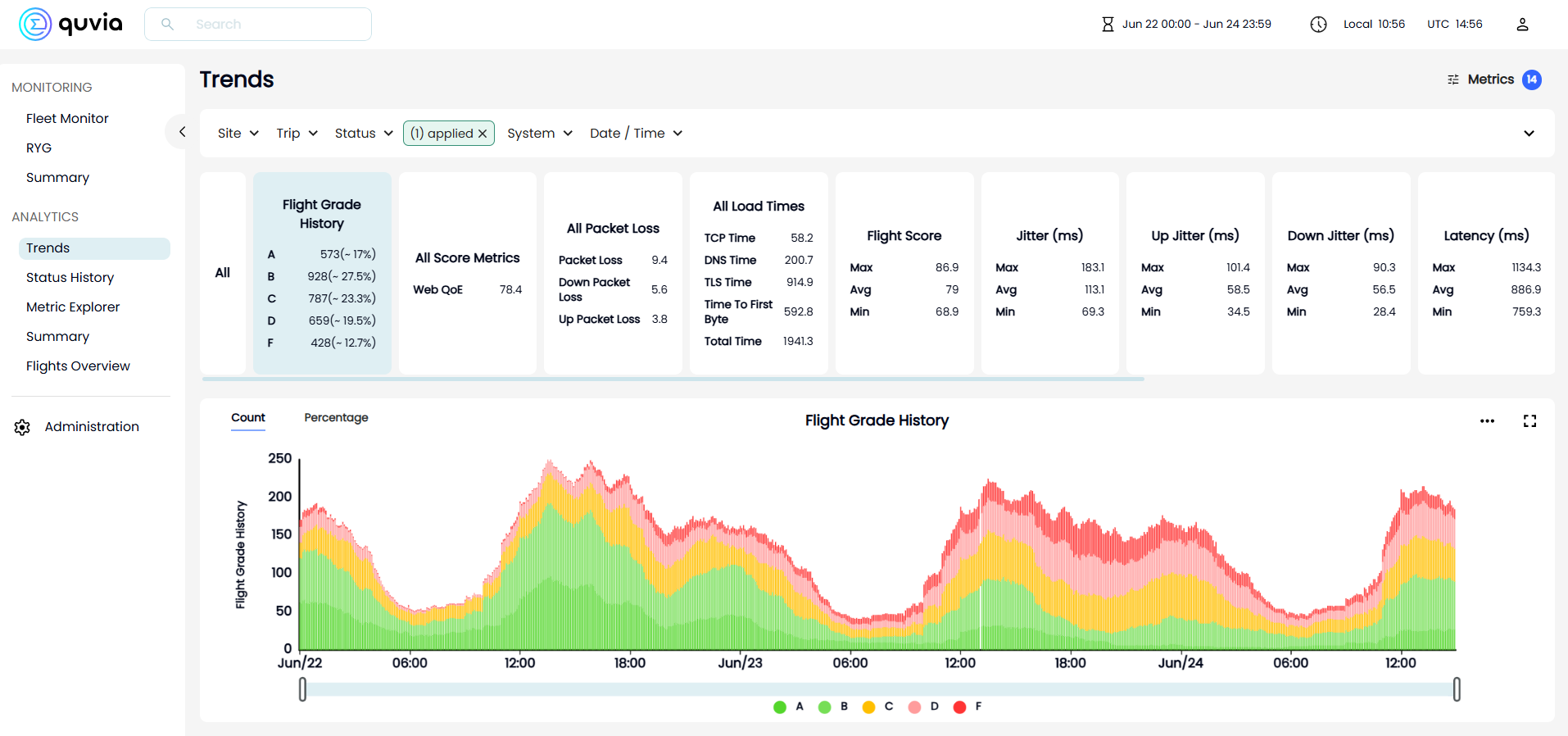
“Vendor lock-in transforms technological advantage into strategic vulnerability—limiting customer choice , constraining innovation, and eroding long-term competitiveness,” says Jeff Sare at ThinKom. “Which is why we were excited to see Quvia win this prestigious award. Whether it is delivering better visibility into connectivity system performance or optimizing data traffic management, Quvia helps airlines understand how their network is being used and improve reliability of the service, both for individual aircraft tails and at a fleet-wide level.”
Quvia’s award-winning AI-powered network management and analytics platform demystifies service and performance levels wherever connectivity is complex, like onboard commercial aircraft. It continuously collects real-time data from multiple connectivity sources, combines it with contextual information like location, weather, usage patterns, and network conditions, and uses machine learning to calculate a Quality of Experience (QoE) score that reflects how users experience internet performance.
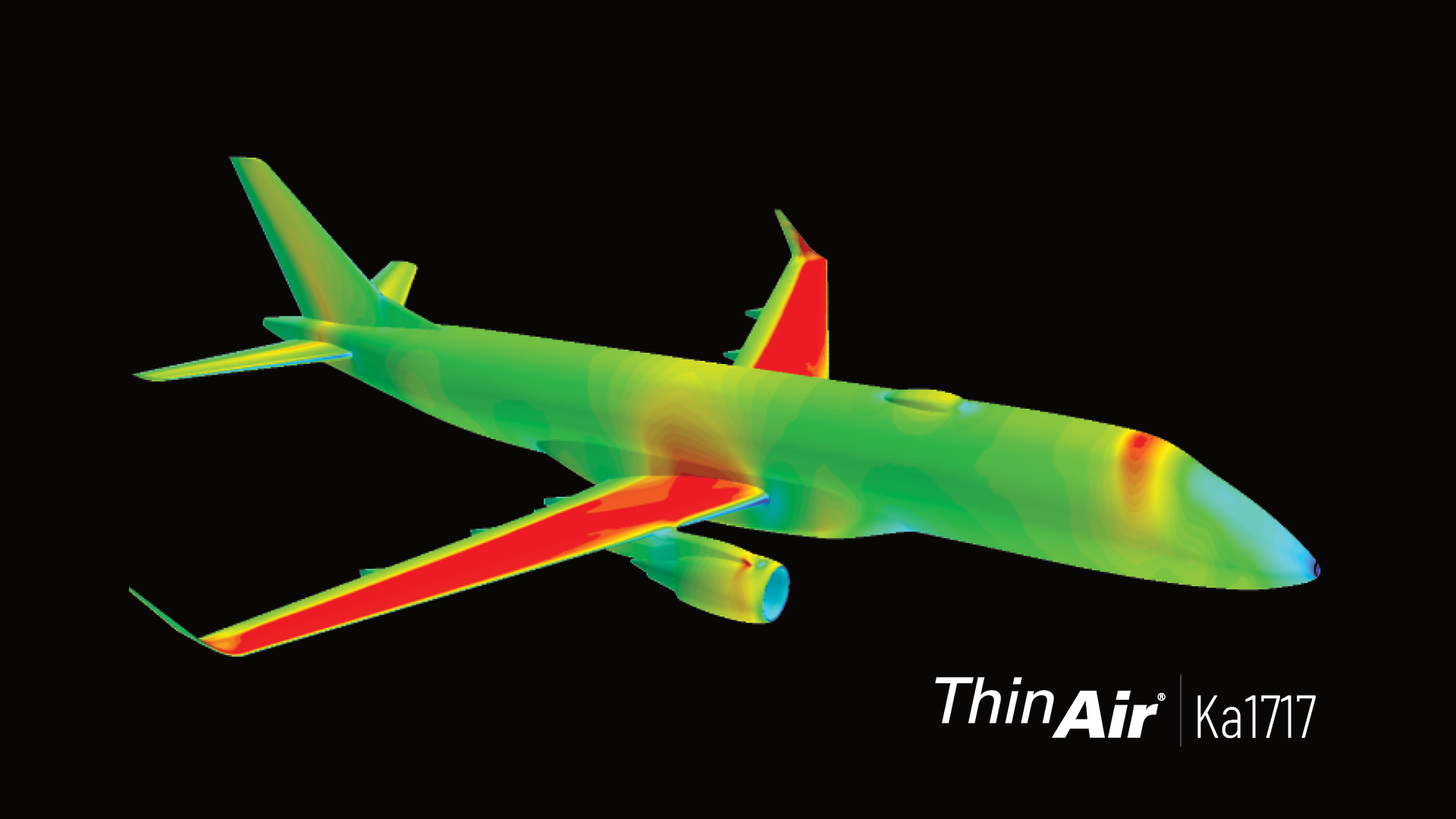
Last year, ThinKom and Quvia partnered to integrate the Quvia platform with a ThinAir terminal, delivering the ultimate in flexibility for airlines.
“Airlines are starting to see connectivity as a strategic asset, not just a service they buy,” said Mike Moeller, SVP of Aviation at Quvia. “The opportunity now is to take control of the in-flight digital experience so they can manage cost, create new revenue opportunities and personalize the passenger experience. Control also means flexibility: the ability to adapt as new technologies, networks and capacity options emerge without having to start over. That is the shift Quvia was built to support.”
Partnerships like this one promote flexibility and translate into greater airline control over the trade-offs between cost, performance, and reliability. Instead of being locked into predefined policies, airlines can adapt connectivity in real time to changing conditions, ensuring that network resources are used most effectively for both the airline's business objectives and the passenger experience.
Doing so requires a blend of software and hardware solutions designed to adapt to the ever-changing connectivity landscape and to scale as offerings evolve.
“This is where ThinKom’s ThinAir line of phased array antenna hardware complements solutions like Quvia,” says Sare. “Flexibility is the goal, and flexibility is what we’re both bringing to the table.”
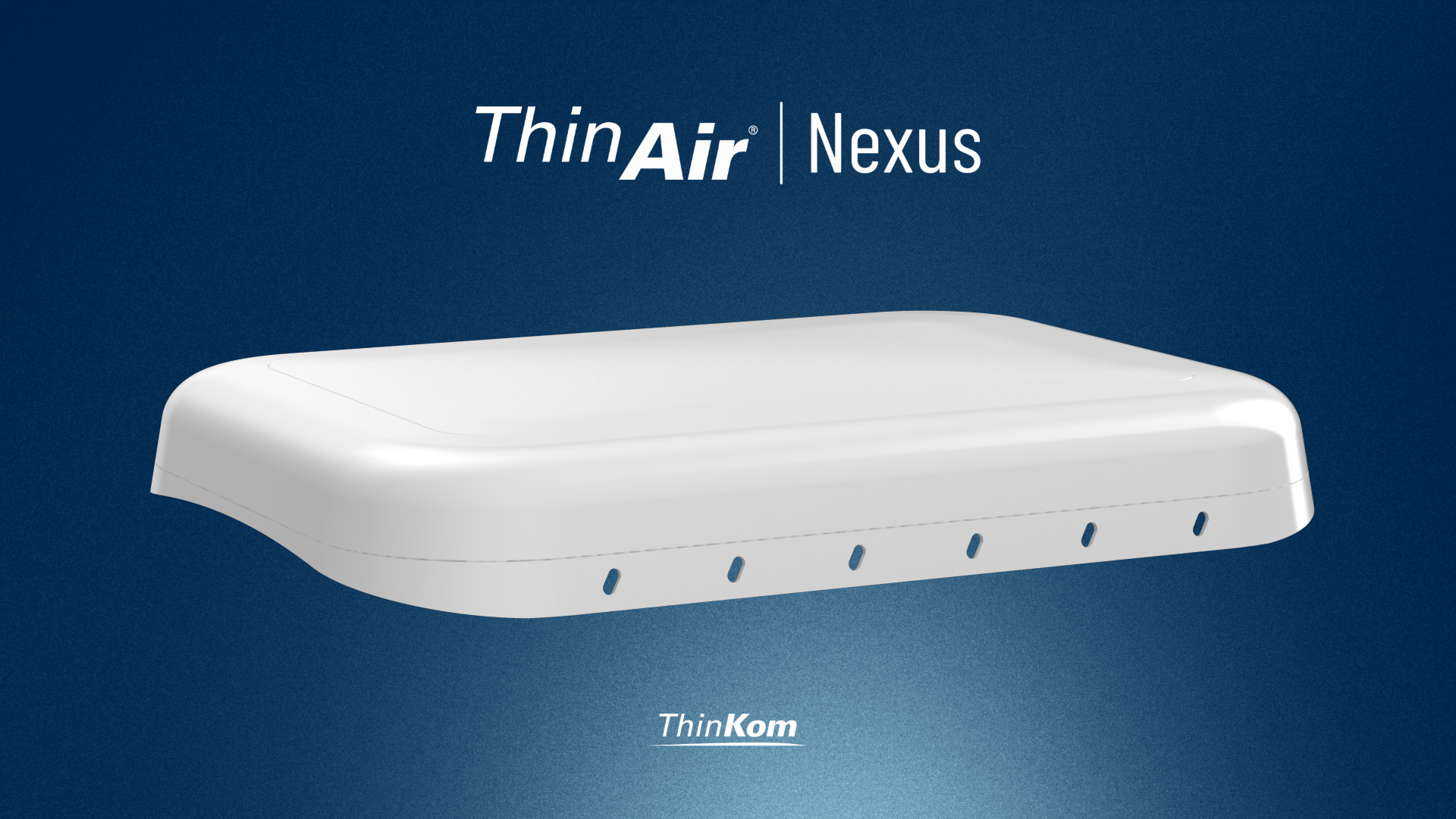
For the past decade, ThinAir terminals have powered inflight internet services on more than 2,500 aircraft. VICTS technology is dependable and tested, delivering high spectral efficiency with low power draw in every environment. ThinAir antennae also offer multi-modem flexibility, allowing for connectivity to multiple constellations from a single terminal. The recently announced ThinAir Nexus terminal extends that lineage, delivering the same leading performance in a more compact footprint.
ThinKom partners with many leading businesses to deliver high-performance solutions that reduce ambiguity, ensuring airlines have unprecedented levels of control and optimization across fleets and aircraft types. Uniquely, Quvia’s software layer gives airlines the intelligence and orchestration capabilities to unify multiple systems, vendors, and services into a cohesive digital ecosystem, and that’s an ecosystem we are proud to be part of.
Ready to take control of your connectivity offering? Contact us to learn more about how ThinKom delivers the flexible, open-architecture connectivity solutions your airline needs to thrive in a rapidly evolving market.
About ThinKom
Share this post